New changes have emerged again in the 21st round of EU sanctions negotiations against Russia. On July 14 local time, Kaja Kallas, the High Representative of the European Union for Foreign Affairs and Security Policy, said in an interview with the media that aquatic products "have been removed" from the EU's 21st round of sanctions against Russia. However, she also emphasized that nothing can be regarded as the final decision until all member states reach a formal agreement. This is also the first time that a senior EU official has publicly sent out an important signal that aquatic products may be withdrawn from this round of sanctions.
Karas made the above remarks in response to a journalist's question after the EU foreign Ministers' meeting. When asked by the media about the adjustment of the sanctions plan, she said, "Nothing can be considered truly agreed upon until all the contents are agreed upon." However, when another journalist mentioned that "aquatic products have been removed from the 21st round of sanctions", she did not deny this claim, further strengthening the outside world's judgment that the EU has adjusted its aquatic product sanctions plan.
In fact, sanctions against Russian aquatic products have been under discussion within the European Union for several months.
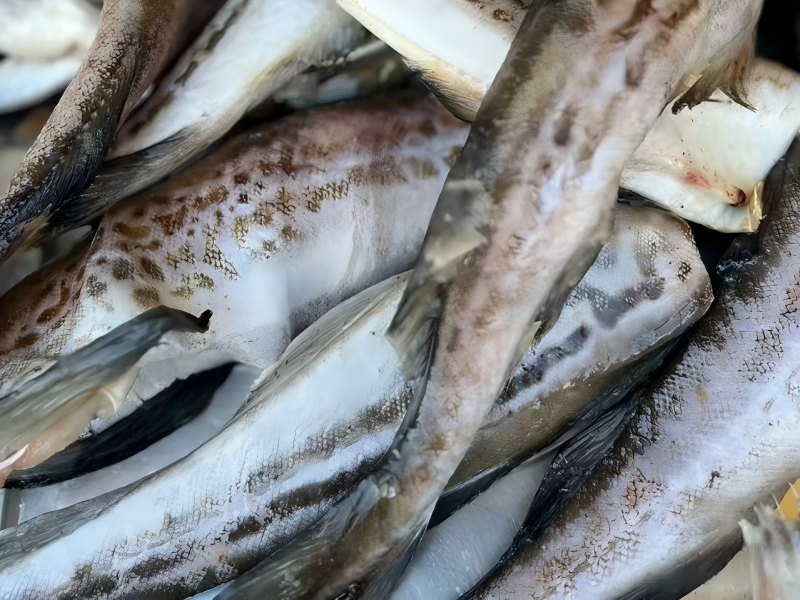
According to the previously disclosed draft of sanctions, the EU initially planned to completely ban the import of Russian Cod and Pollock products. However, due to opposition from member states such as Germany and Portugal, the plan was later revised to import quota management, hoping to replace a complete ban by gradually reducing the scale of imports. Among them, Germany mainly focuses on the supply of pollock raw materials, while Portugal pays more attention to the import of true pollock products. Both countries are concerned that strict restrictions will affect their domestic aquatic product processing industries and market supply.
Nowadays, with Karas publicly stating that aquatic products may be withdrawn from the sanctions plan, this means that the differences within the EU on the issue of Russian aquatic products have further emerged. Although the final text has not been released yet, if aquatic products are ultimately excluded from the 21st round of sanctions, the trade environment for Russian cod and pollock entering the European market will not undergo any new changes in the short term.
At present, the EU still hopes to complete the 21st round of sanctions negotiations as soon as possible. Karas said that the EU hopes to complete the relevant negotiations by July 15 because that day coincides with the routine review of the G7-backed mechanism for capping the price of Russian crude oil. If the new sanctions plan cannot be agreed upon in a timely manner, the price cap on Russian crude oil may be automatically adjusted in accordance with market prices, thereby weakening the effect of Western sanctions on Russia's energy revenue. Therefore, energy measures remain the focus of this round of sanctions negotiations, while issues such as aquatic products have become one of the contents that member states continue to coordinate.
Karas disclosed that the ambassadors of the EU member states to the EU will hold another meeting on July 15 local time to continue consultations on the 21st round of sanctions. At present, the final text of the 21st round of sanctions has not been officially released. Whether aquatic products will ultimately be excluded from the scope of sanctions still needs to be officially confirmed after the EU completes its final negotiations.