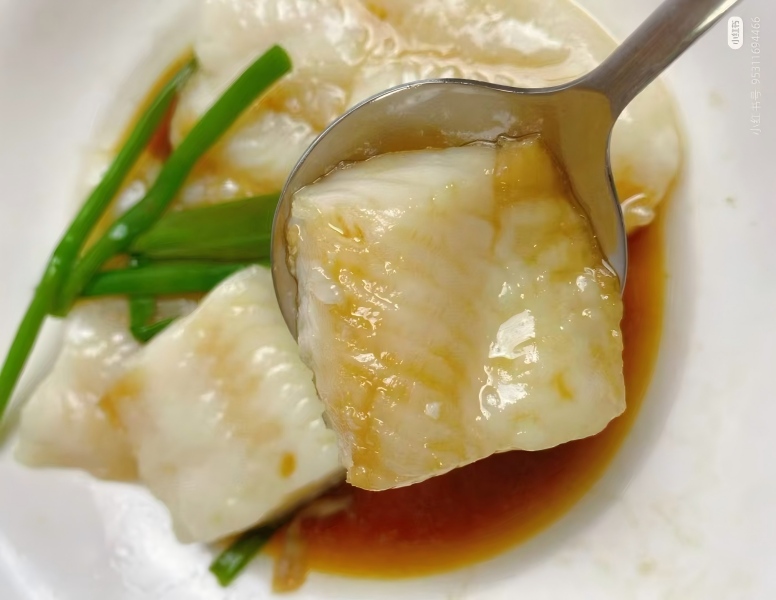
The raw material prices of Vietnamese basa fish rose across the board at the end of the year, with exports exceeding 2 billion US dollars, and China becoming the largest buyer
By the end of November 2025, the export value of Vietnamese basa fish officially exceeded the 2 billion US dollar mark, increasing by 9% year-on-year. In November alone, the export volume reached 195 million US dollars, maintaining a growth rate of 9%, demonstrating a steady recovery momentum in exports at the end of the year.
Among them, the Chinese market performed the most outstandingly. In November, Vietnam's exports of basa fish to China (including Hong Kong) reached nearly 59 million US dollars, up 17% year-on-year, making the largest contribution to the month. China continues to be the largest market for Vietnam's basa fish exports, accounting for approximately 30% of the total export value.
In contrast, due to the "20% reciprocal tax" imposed by the United States, Vietnam's exports to the US were only 20 million US dollars, a year-on-year decline of 23%. The EU market declined by 25%, mainly due to the reduction in imports from the Netherlands and Germany.
In the CPTPP market, Mexico has emerged as a bright spot, with its import value reaching 8 million US dollars in November, a year-on-year increase of 50%. Japan and Malaysia maintained slight growth, while the UK market showed signs of stabilizing after a decline. In addition to traditional markets, demand in Brazil, Thailand, Egypt, Russia and other places has also continued to grow, with growth rates reaching 13%, 24%, 33% and 45% respectively.
In terms of product structure, basa fish fillets (HS0304) remain the main export product, with a cumulative export value exceeding 1.6 billion US dollars in the first 11 months, representing a year-on-year growth of 11%. Exports of frozen whole fish, dried products and other items reached nearly 348 million US dollars, remaining the same as last year. Deep-processed products (HS16) increased by 13% to 48 million US dollars.
Meanwhile, the price of fish ponds in the Mekong Delta rose across the board in early December. Data from the 50th week shows that the quotations for small-sized raw materials (800-1300 grams per tail) range from 29,800 to 31,500 Vietnamese dong per kilogram, an increase of 300-2,000 Vietnamese dong compared to the previous period. The quotation for large-sized raw materials (>1300 grams per tail) is 31,000-32,000 Vietnamese dong per kilogram, with an increase of 500-1,500 Vietnamese dong. Vietnamese industry insiders say that tight supply is the main reason driving this round of price rebound.
Industry insiders analyze that against the backdrop of sluggish demand in the US and EU markets, China has become a key support for the growth of Vietnam's basa fish exports in 2025. However, the high reliance on a single market also brings potential risks. In the future, Vietnamese enterprises urgently need to increase their investment in deep processing, product diversification and sustainable certification to consolidate their international competitiveness.
Overall, in 2025, the Vietnamese basa fish industry is presenting a pattern of "stable volume, rising prices, and market differentiation". With the arrival of the year-end Chinese festival consumption peak season, it is expected that the export volume in December will remain at a high level, and the continuous rise in the price of pond heads will also become a focus of market attention.