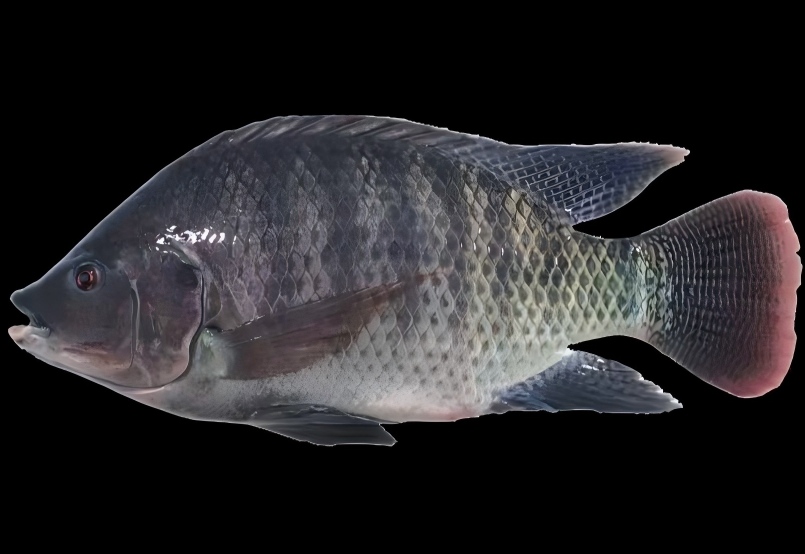
In the 30th week (July 20th to 26th), the purchase prices of tilapia at the pond heads in Guangdong and Guangxi continued to rise, while the available fish sources in stock for processing plants decreased. The impact of the low stocking volume in the first half of the year is now being passed on to the second half. The number of fish in the ponds that meet the market standards has decreased significantly, making it more difficult for processing plants to harvest fish. The combined risks of high summer temperatures, typhoons and streptococcal diseases further threaten the fish yield and survival rate.
The wholesale price of frozen tilapia in the US market remained largely stable in the 30th week, but the factors supporting the price stability are weakening. Abundant domestic inventories in the United States and a slower pace of purchasing have limited the space for exporters to raise prices. American buyers are mainly driven by immediate demand and are reluctant to extend the procurement coverage cycle when the tariff outlook is unclear. The procurement progress this year is slower than that of the same period last year. Competition among Chinese exporters remains fierce, and importers are reluctant to establish positions until the subsequent tariff costs are clear. These factors have kept the quotations of frozen fish fillets within the existing range, despite the rising procurement costs from Chinese production areas.
Tariffs are the greatest external risk to the US market. The current Section 301 tariffs remain in effect, and the US industry is divided on whether Chinese aquatic products should be granted tariff reduction or exemption. The National Fisheries Association (NFI) of the United States urged the Office of the United States Trade Representative (USTR) to include commercial aquatic products in the scope of adjustable tariffs, while the Southern Shrimp Alliance opposed granting exemptions to Chinese products. The US government has stated that it will retain the existing Section 301 tariffs and advance new tariff actions. One of the new Section 301 actions related to forced labor is proposed to impose a 12.5% tariff on goods from China and other countries, and the final tariff rate may still be adjusted. Chinese aquatic products have become one of the sources subject to the heaviest tariffs in the United States. In 2025, the United States imported approximately 1.3 billion US dollars worth of aquatic products from China, with tariffs calculated at around 391 million US dollars, equivalent to about 30% of the total import value.
The import volume of frozen tilapia fillets from China to the United States lags significantly behind that of the same period last year. From January to May, the cumulative imports were approximately 66.1 million pounds, compared with about 84.5 million pounds in the same period of 2025, a year-on-year decrease of about 21.7%. As of May, the United States has been surpassed by Mexico among China's tilapia export destinations and has fallen out of the top single-destination markets. Procurement in the African market is growing faster. Countries like Cote d 'Ivoire are absorbing a larger share of China's tilapia production, providing an alternative outlet for exporters under the pressure of US demand and tariffs.
U.S. customs bill of lading data shows that in the first half of the year, U.S. tilapia imports were still concentrated in the hands of major buyers. The Fishin' Company ranked first with approximately 25.4 million pounds, importing about 3.4 million pounds in June alone. High Liner Foods received approximately 1.6 million pounds in June.